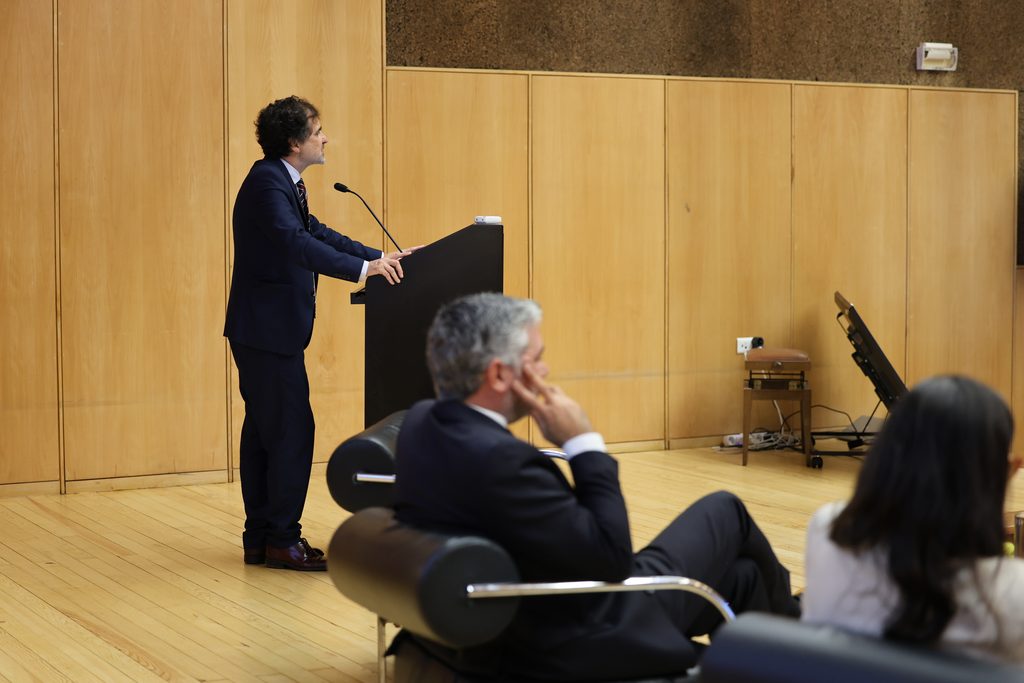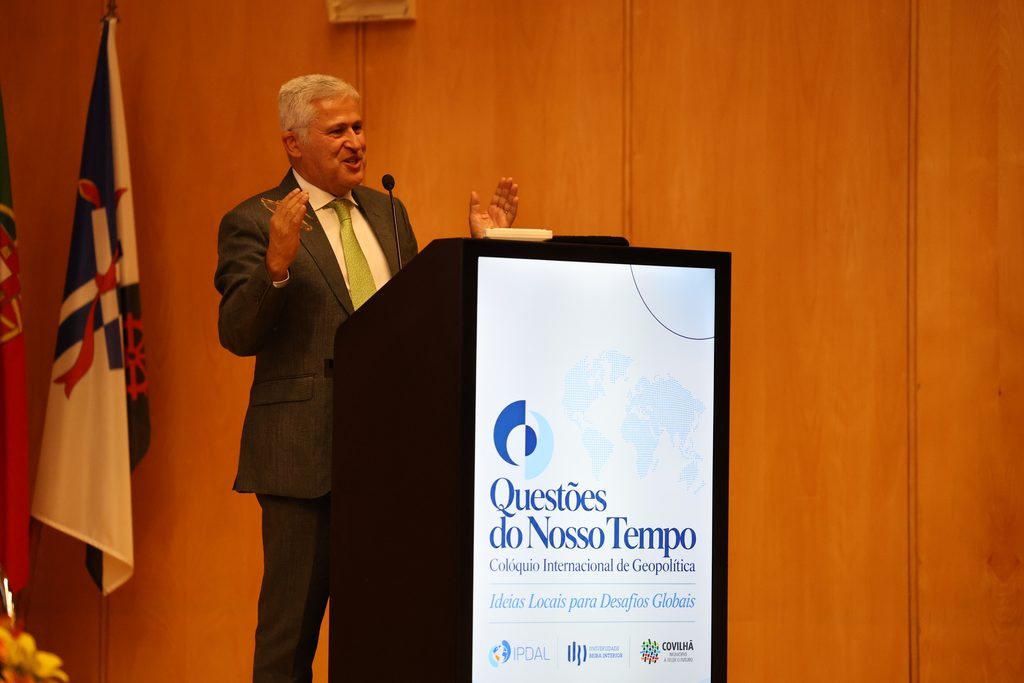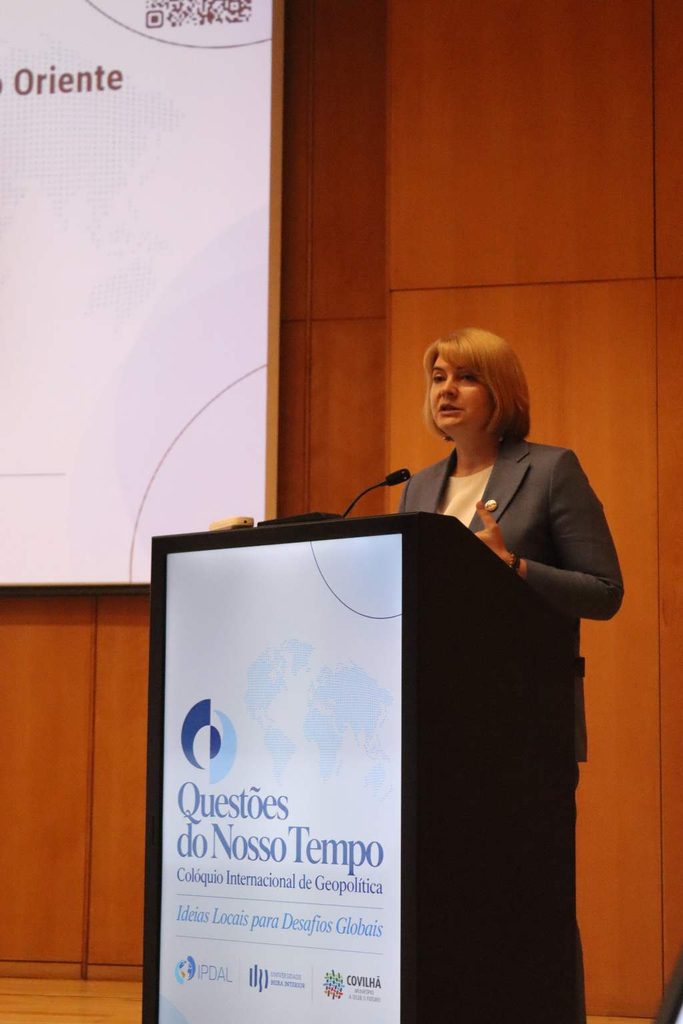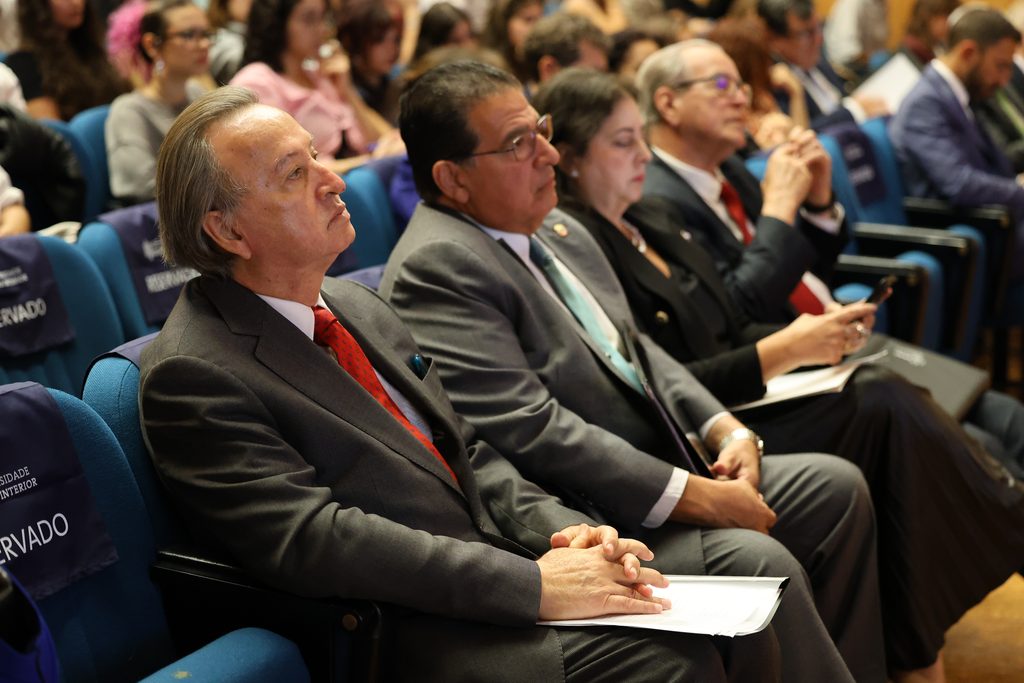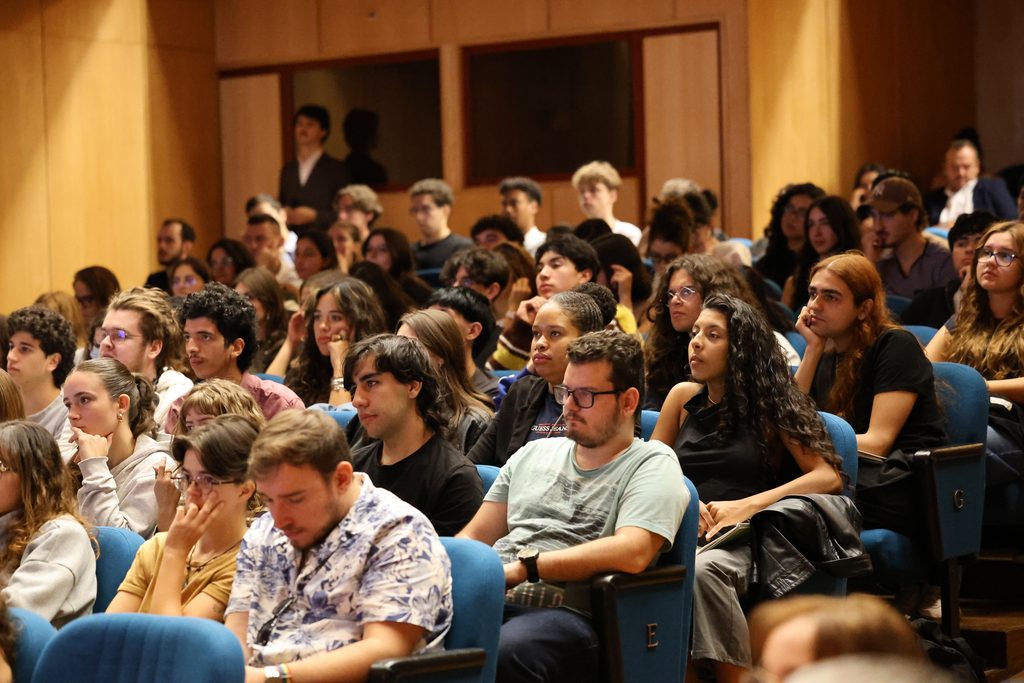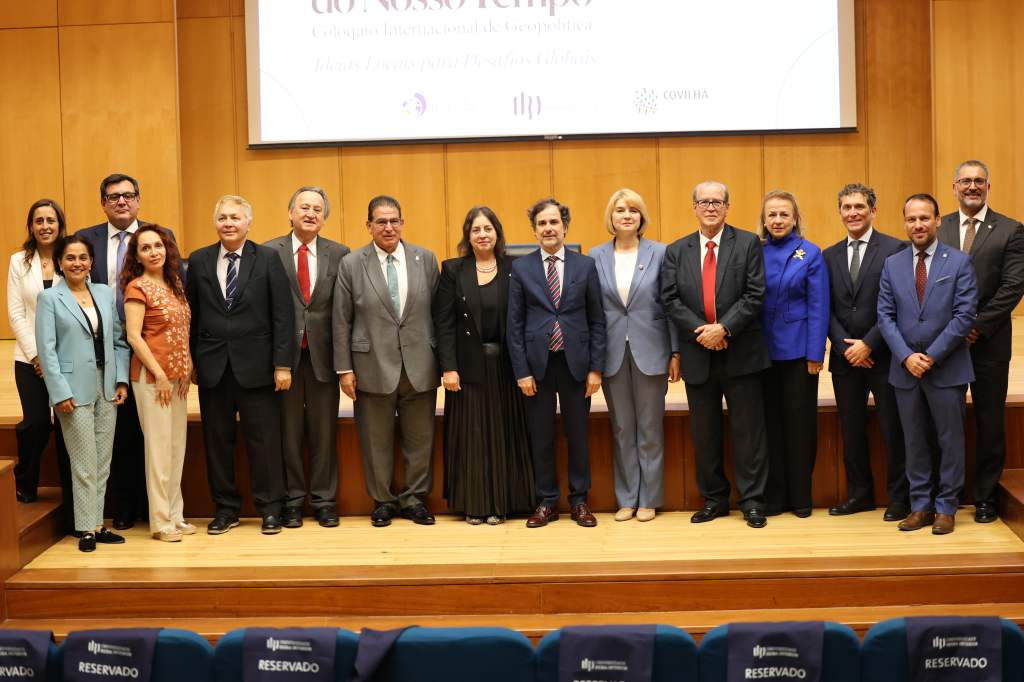


The University of Beira Interior (UBI), in Covilhã, hosted the first edition of “Questões do Nosso Tempo” on 8 October, an initiative of the Institute for the Promotion of Latin America and the Caribbean (IPDAL), organised in collaboration with UBI and the Covilhã City Council. The event brought together diplomats, academics, experts and a significant number of students to discuss the main challenges facing the international community, from the crisis of multilateralism to the conflicts in Ukraine and the Middle East, as well as Latin America’s position within the emerging geopolitical order.
With strong participation from the academic community, the conference sought to bring diplomatic debate closer to the university environment, providing students with the opportunity to engage directly with experts and representatives from different countries. Across three panels, participants examined transformations in the international system, challenges to global security and opportunities for Latin America to strengthen its international standing amid growing competition between major powers.
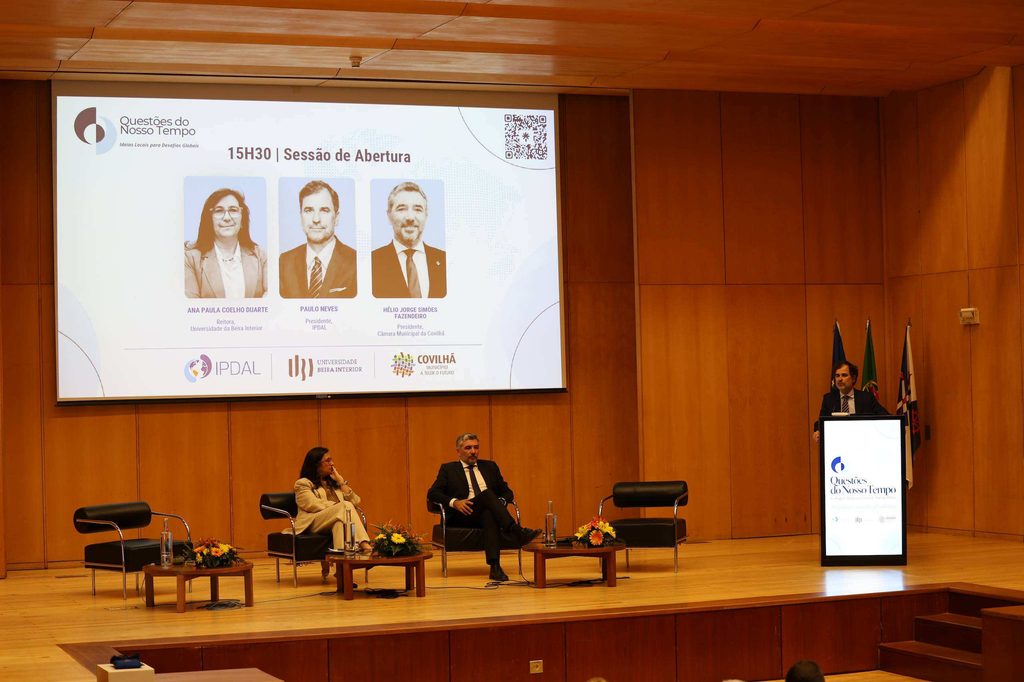
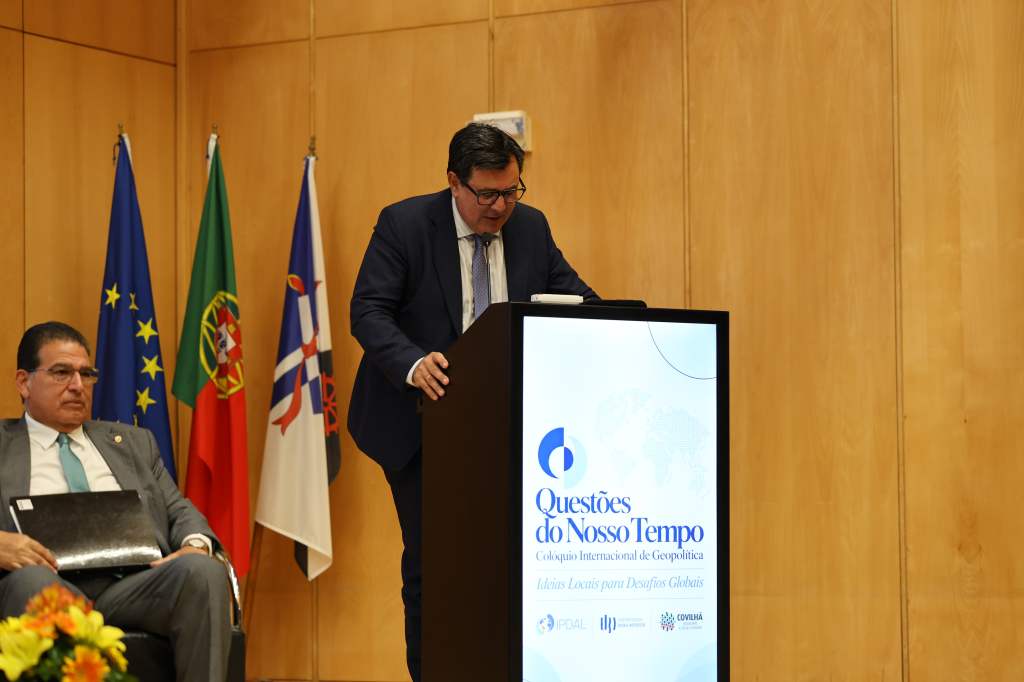
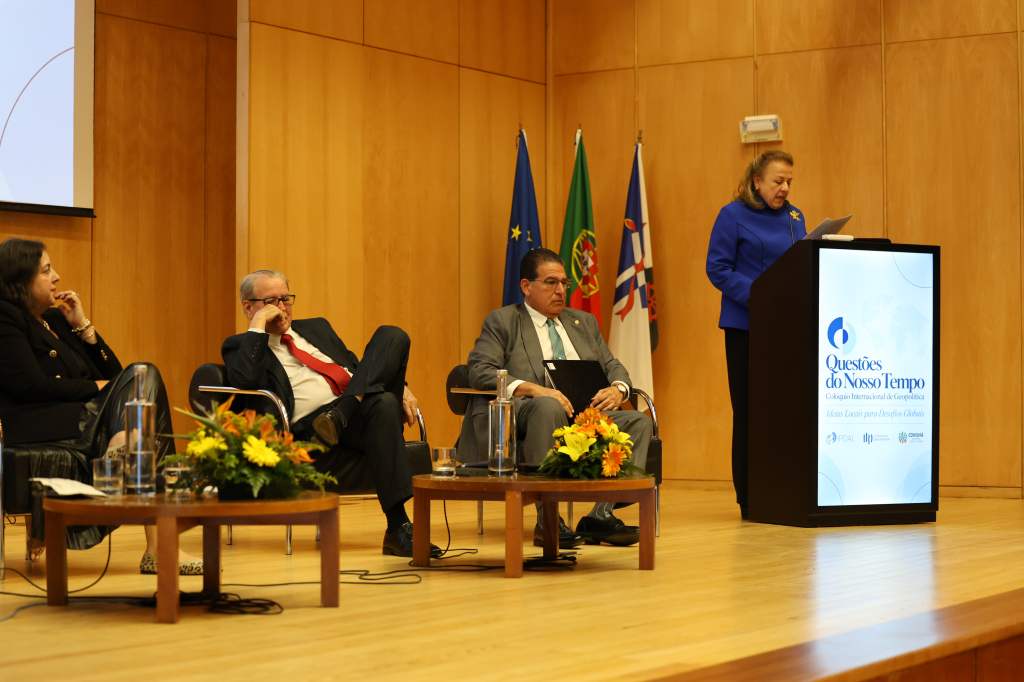
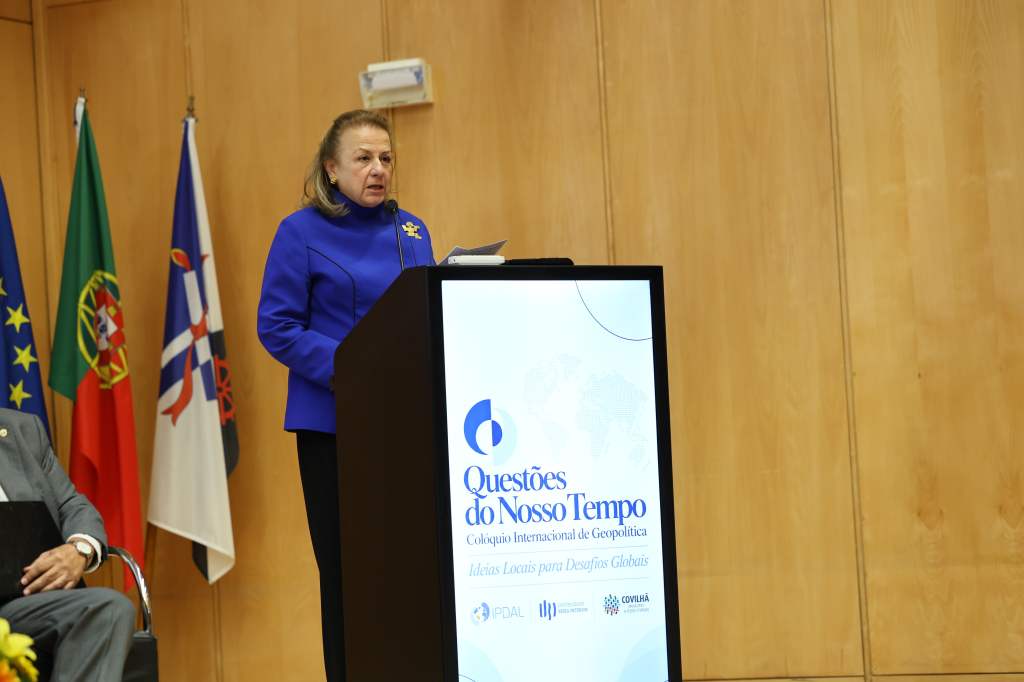
The opening session featured remarks by the Rector of UBI, Ana Paula Coelho Duarte, the Mayor of Covilhã, Hélio Fazendeiro, and the President of IPDAL, Paulo Neves. All three speakers highlighted the importance of institutional cooperation and dialogue in addressing contemporary challenges. Paulo Neves emphasised the role of local diplomacy and the need to strengthen multilateral mechanisms, while also calling for greater involvement of younger generations in discussions on international affairs.
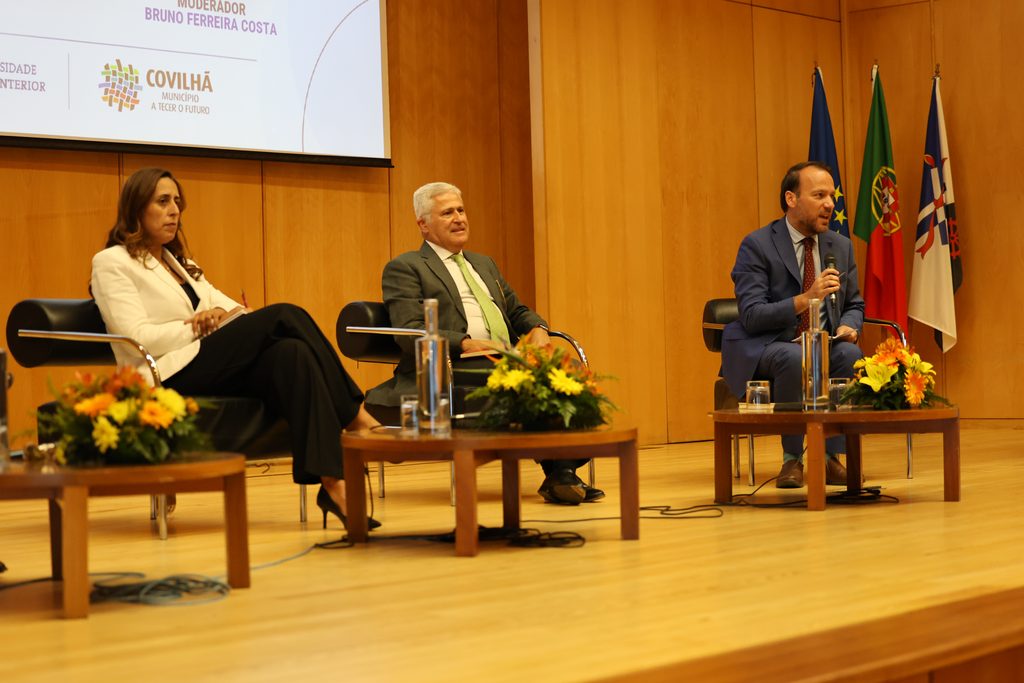
The first panel, “The New Global Order and the Crisis of Multilateralism”, brought together Nuno Severiano Teixeira, Member of the Council of State, Liliana Reis, Professor at UBI, and Paulo Neves, President of IPDAL, in a discussion moderated by Bruno Ferreira Costa, Vice-Rector of the University of Beira Interior. The debate focused on shifting balances of power, growing rivalry between major powers and the difficulties facing multilateral institutions. The speakers also examined the impact of these developments on international cooperation and the need to adapt global governance mechanisms to an increasingly complex and multipolar reality.
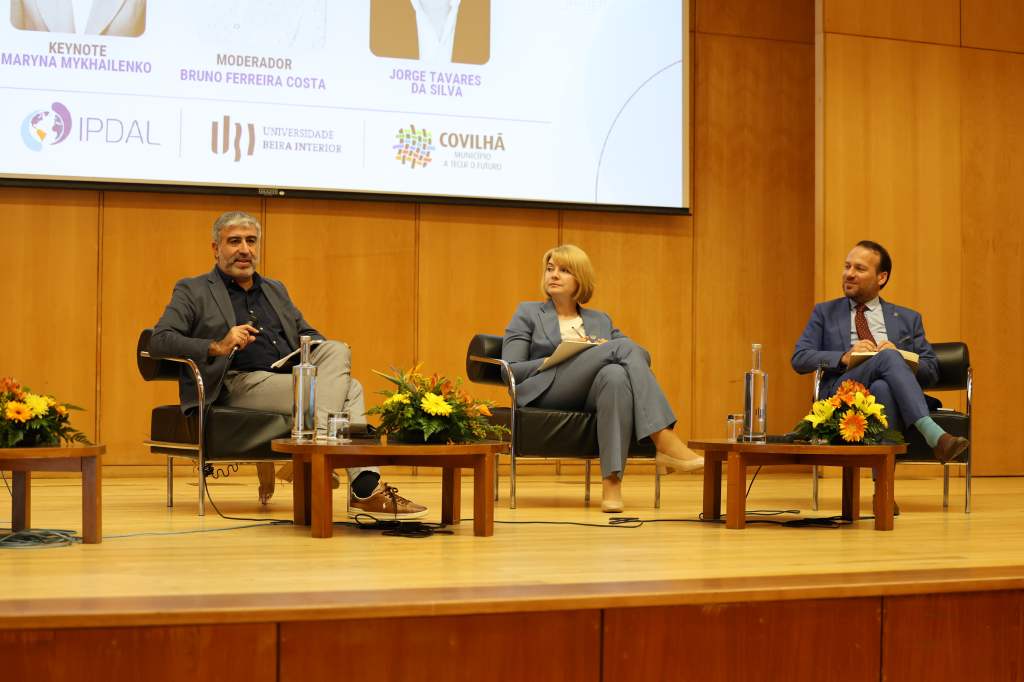
The war in Ukraine and tensions in the Middle East were at the centre of the second panel, “War and Tension Frontlines: Ukraine and the Middle East”, featuring the Ambassador of Ukraine to Portugal, Maryna Mykhailenko, and Professor Jorge Tavares da Silva, once again moderated by Bruno Ferreira Costa. The Ukrainian diplomat discussed developments in the conflict in her country and the consequences of the Russian invasion for European security, highlighting the resilience of the Ukrainian population and the importance of international support. The discussion also addressed challenges to collective security, the role of International Law and the need to strengthen the capacity of international organisations to prevent and resolve conflicts.
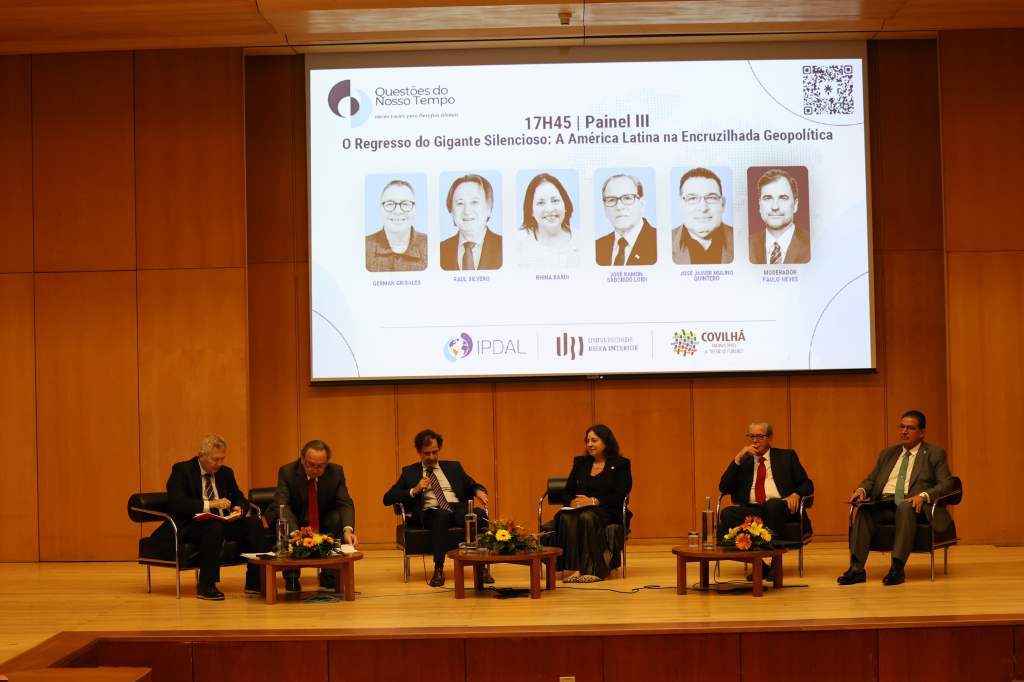
Latin America took centre stage in the third and final panel, “The Return of the Silent Giant: Latin America at a Geopolitical Crossroads”, moderated by the President of IPDAL, Paulo Neves. The session brought together the Ambassadors of Paraguay, Raul Silvero; Panama, José Javier Mulino Quintero; El Salvador, Rhina Bardi; Cuba, José Ramón Saborido Loidi; and Colombia, Germán Grisales, to examine the region’s position within an increasingly multipolar international system.
The discussion highlighted the diversity of Latin America’s political, economic and social realities, as well as the challenges associated with regional integration and the international positioning of its countries. Topics addressed included sovereignty, security, economic development, diplomatic cooperation and the diversification of trade relations. Against a backdrop of growing influence from different major powers in the region, the diplomatic representatives reflected on opportunities to strengthen Latin America’s political and economic influence in international decision-making.
Strong participation from the academic community was a defining feature of this first edition, which provided a forum for discussion among students, diplomats and experts. The initiative brought international political issues closer to the university environment, encouraging engagement with different perspectives on the developments shaping today’s international system.
Through “Questões do Nosso Tempo”, IPDAL reaffirmed its commitment to promoting international dialogue and strengthening ties between diplomacy, academia and civil society. The initiative also built on the Institute’s ongoing work to deepen relations between Portugal and the countries of Latin America and the Caribbean, highlighting informed debate and cooperation as essential tools for understanding contemporary challenges.