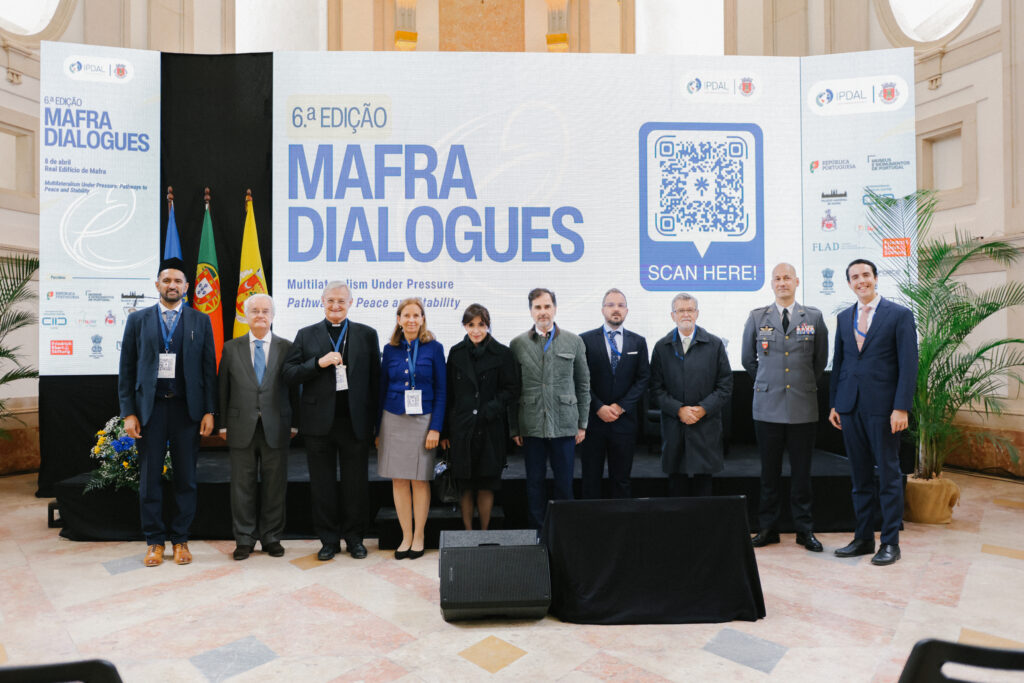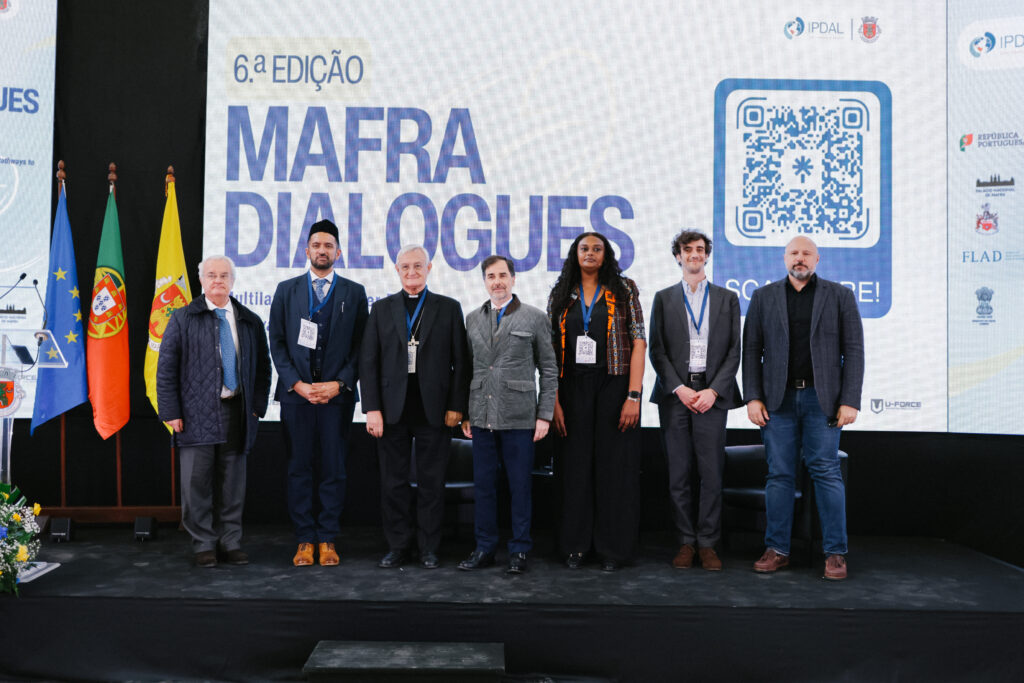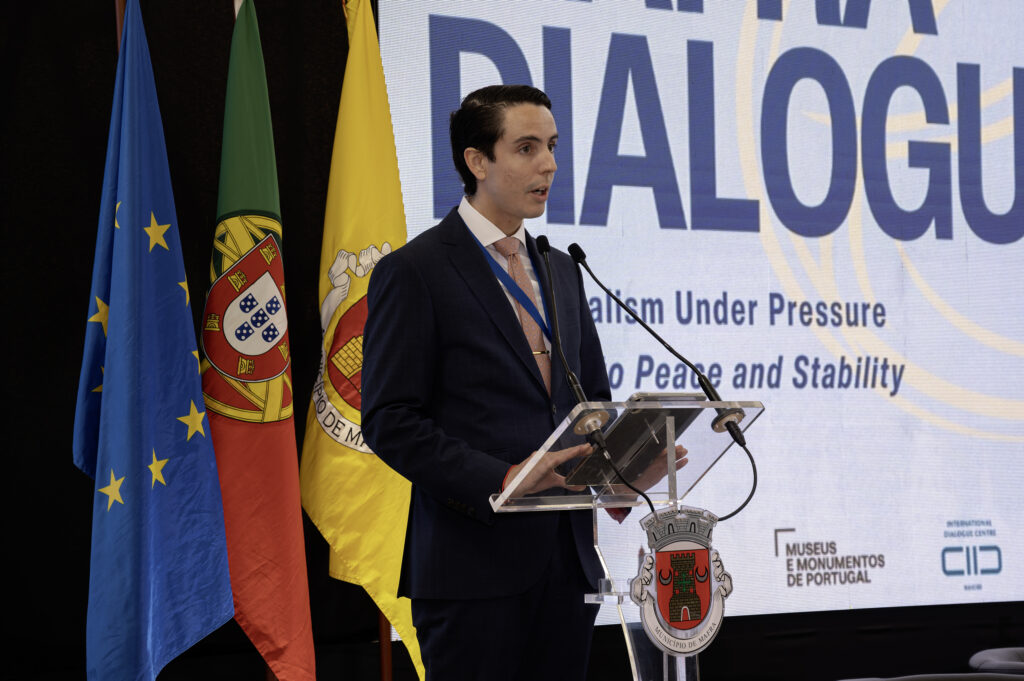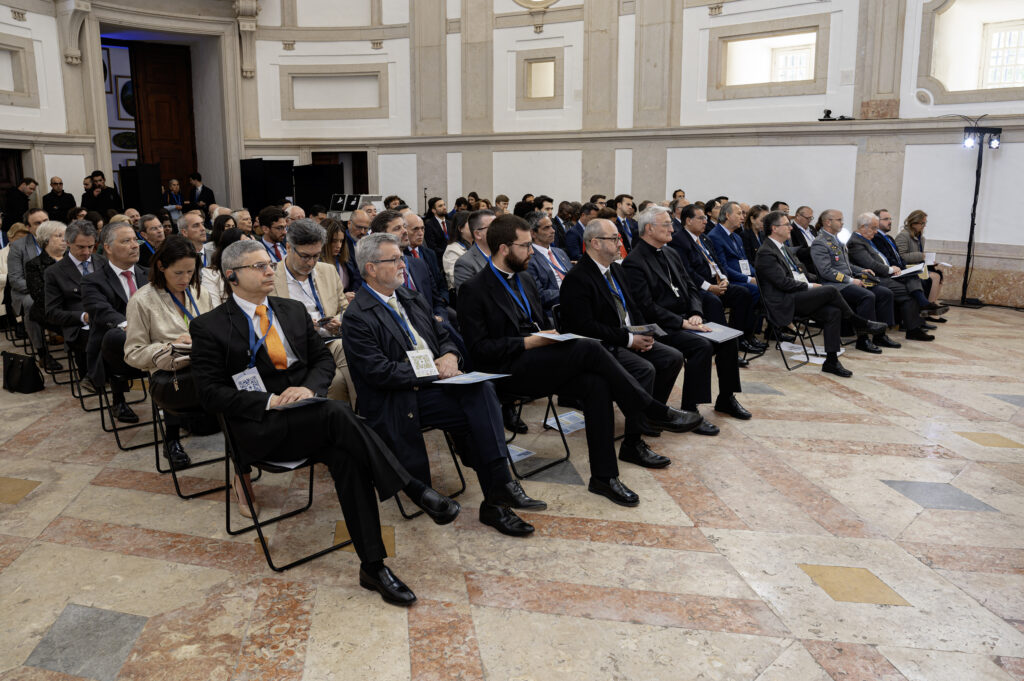


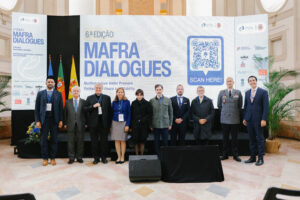
The 6th edition of Mafra Dialogues, organized by IPDAL in partnership with the Municipality of Mafra, once again established itself as a leading platform for international strategic debate, bringing together policymakers, experts, academics, and institutional representatives under the theme “Multilateralism Under Pressure: Pathways to Peace and Stability.”
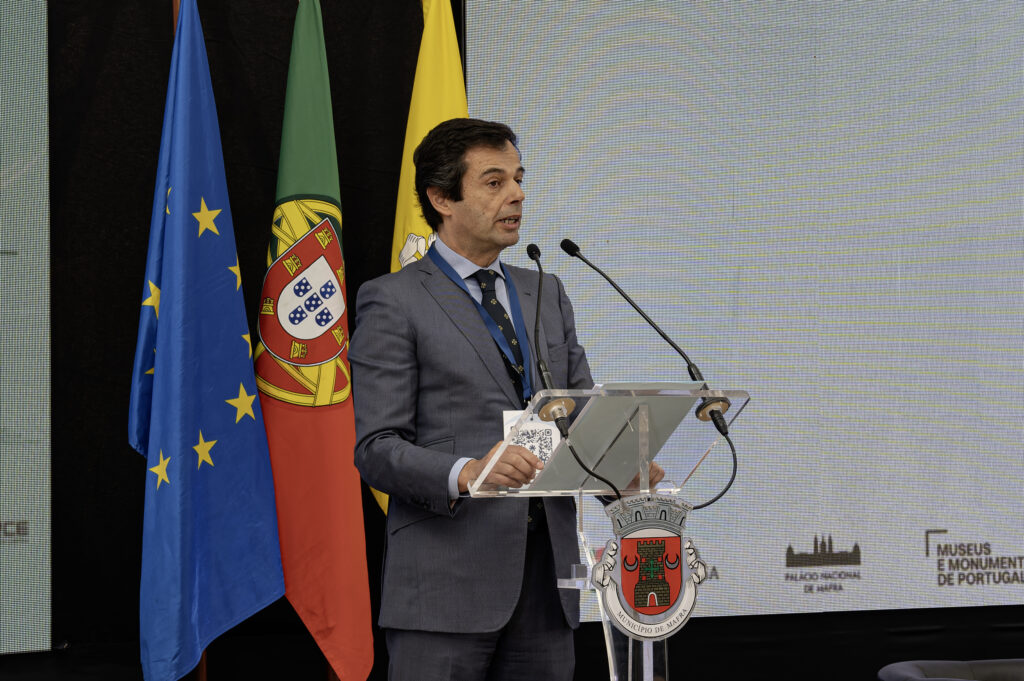
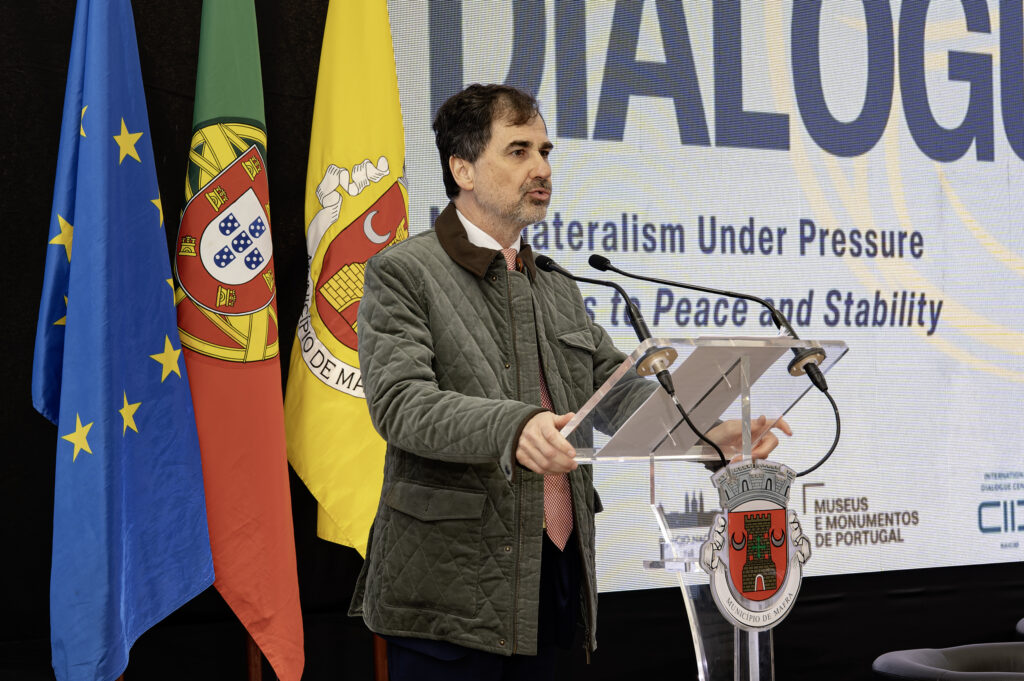
The opening session featured remarks by Hugo Moreira Luís, Mayor of Mafra, Paulo Neves, President of IPDAL, and Ambassador António de Almeida-Ribeiro, Acting Secretary-General of the International Dialogue Centre (KAICIID), who highlighted the importance of multilateralism in a global context marked by increasing challenges to international stability.
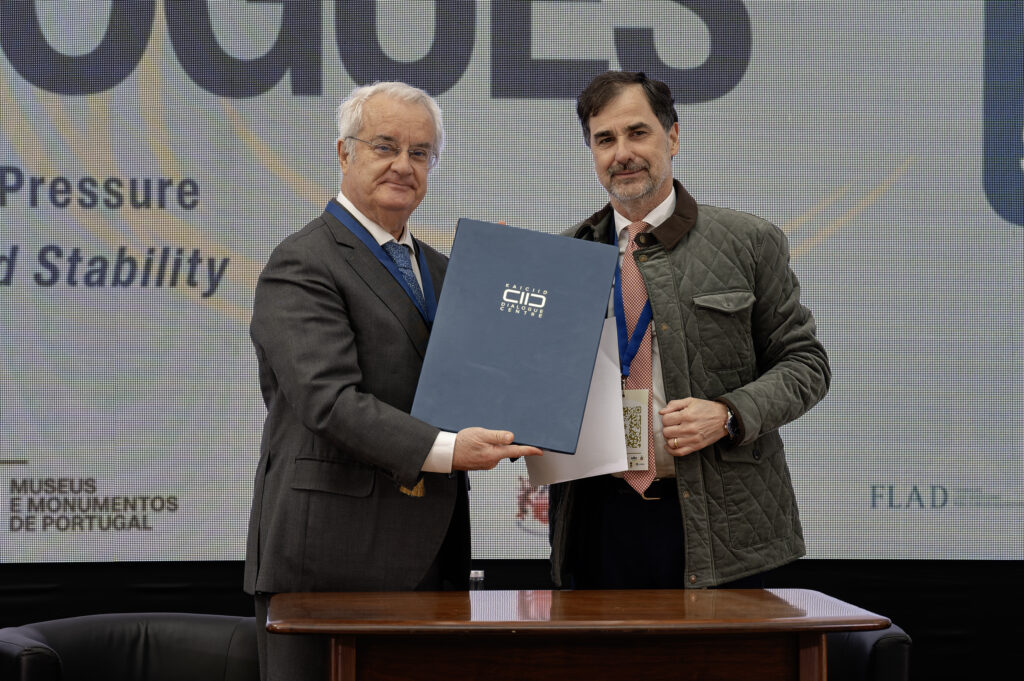
In this context, a Memorandum of Understanding was signed between IPDAL and KAICIID, strengthening institutional cooperation between both entities and consolidating their joint commitment to promoting intercultural and interreligious dialogue as an essential instrument for building peace and international stability.
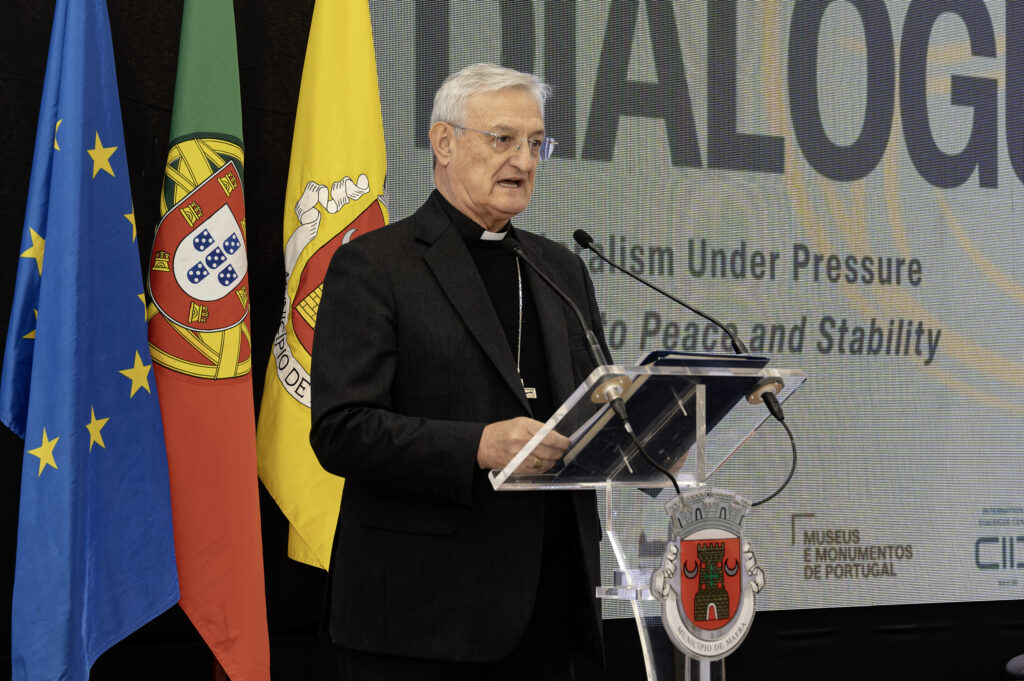
This was followed by a message from Pietro Parolin, Secretary of State of the Holy See, delivered by Andrés Carrascosa Coso, Apostolic Nuncio to Portugal, emphasizing the role of dialogue, diplomacy, and interreligious cooperation in fostering more peaceful and inclusive societies.
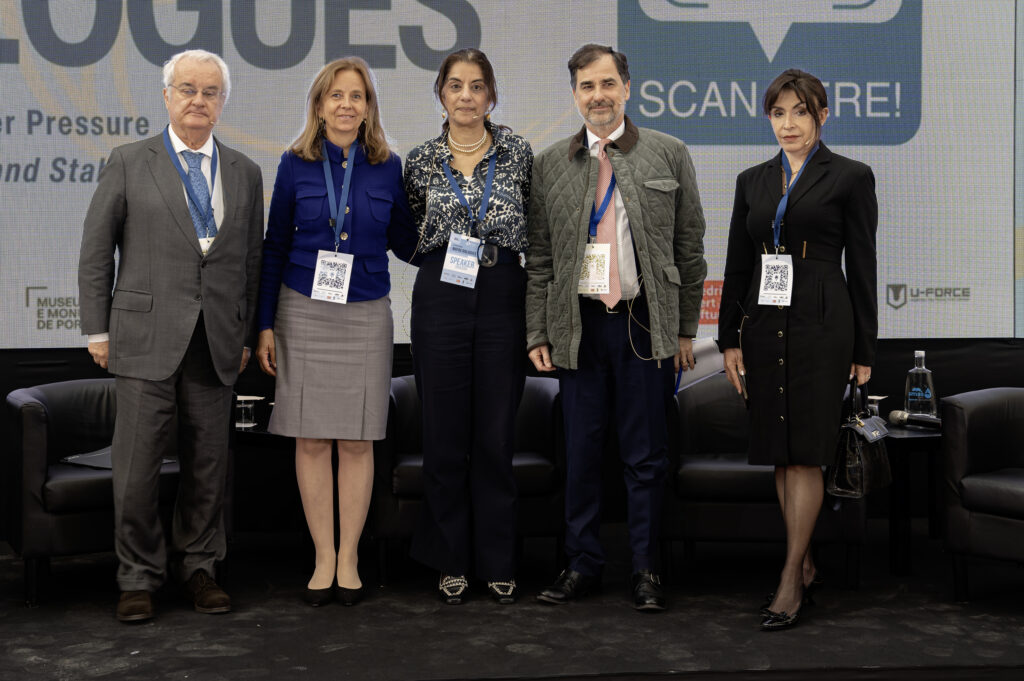
The programme continued with a high-level dialogue featuring Emilce Cuda, member of the Pontifical Commission for Latin America of the Holy See; Camilla Habsburg-Lothringen, Archduchess of Austria and Princess of Tuscany; Ambassador António de Almeida-Ribeiro, Acting Secretary-General of KAICIID; and Sanam Naraghi Anderlini, founder and CEO of the International Civil Society Action Network (ICAN), offering a plural reflection on contemporary challenges to multilateralism and global stability.
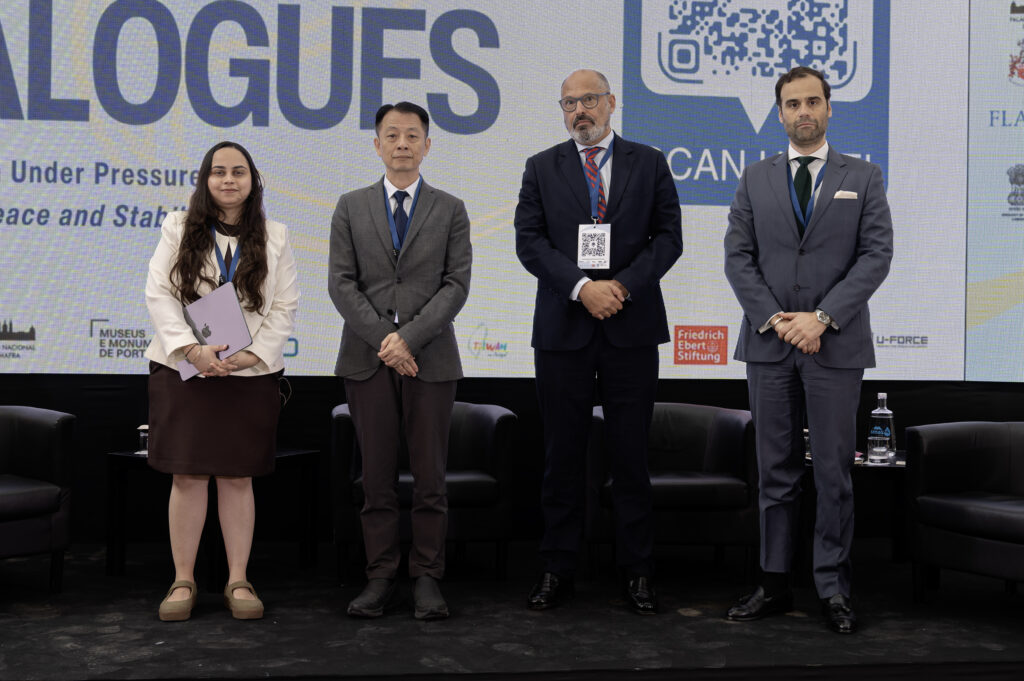
Panel I, titled “Seabed to Sky: Protecting Critical Infrastructure from Undersea Cables to Aerospace Systems,” brought together Dr. Kenny Huang, Chairman of the Taiwan Network Information Center, and João Fonseca Ribeiro, representative of UForce Portugal, moderated by Felipe Pathé Duarte, Assistant Professor and Researcher at NOVA School of Law, addressing emerging risks and the need to protect critical infrastructure in a context of growing technological interdependence.
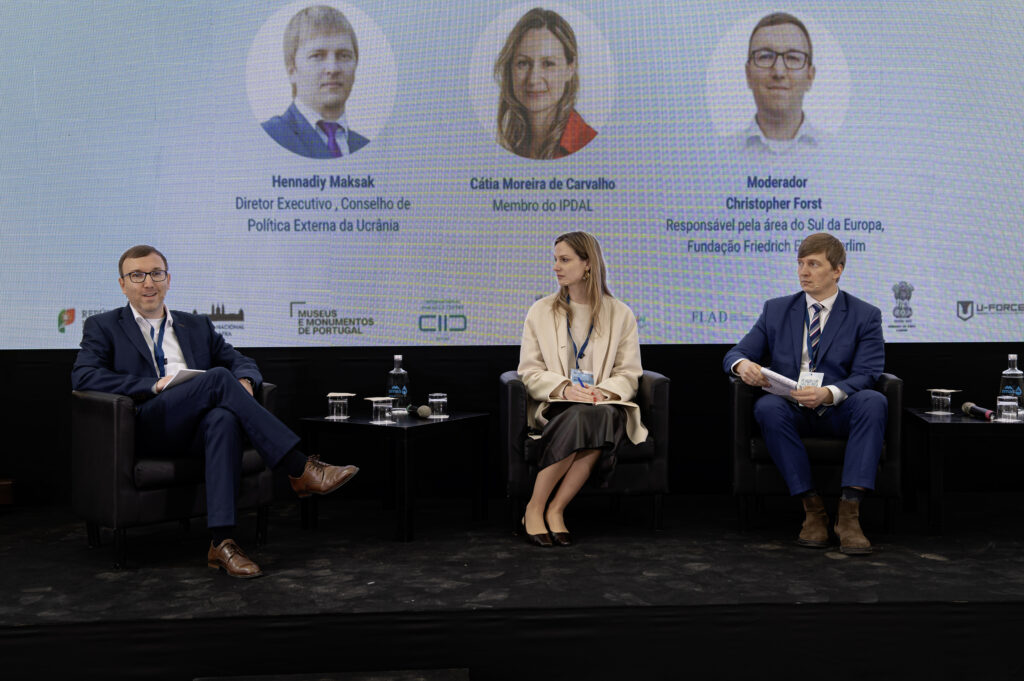
Panel II, focused on “European Enlargement and the Future for Peace in Ukraine,” featured Hennadiy Maksak, Executive Director of the Foreign Policy Council “Ukrainian Prism,” and Cátia Moreira de Carvalho, member of IPDAL, moderated by Christopher Forst, Head of Southern Europe at Friedrich Ebert Stiftung (Berlin), reflecting on the geopolitical challenges associated with European enlargement and security on the continent.
The programme also included a keynote address by Nuno Pinheiro Torres, Secretary of State for National Defence Policy of Portugal, who emphasized the importance of international cooperation and defence policies in an increasingly complex global scenario.
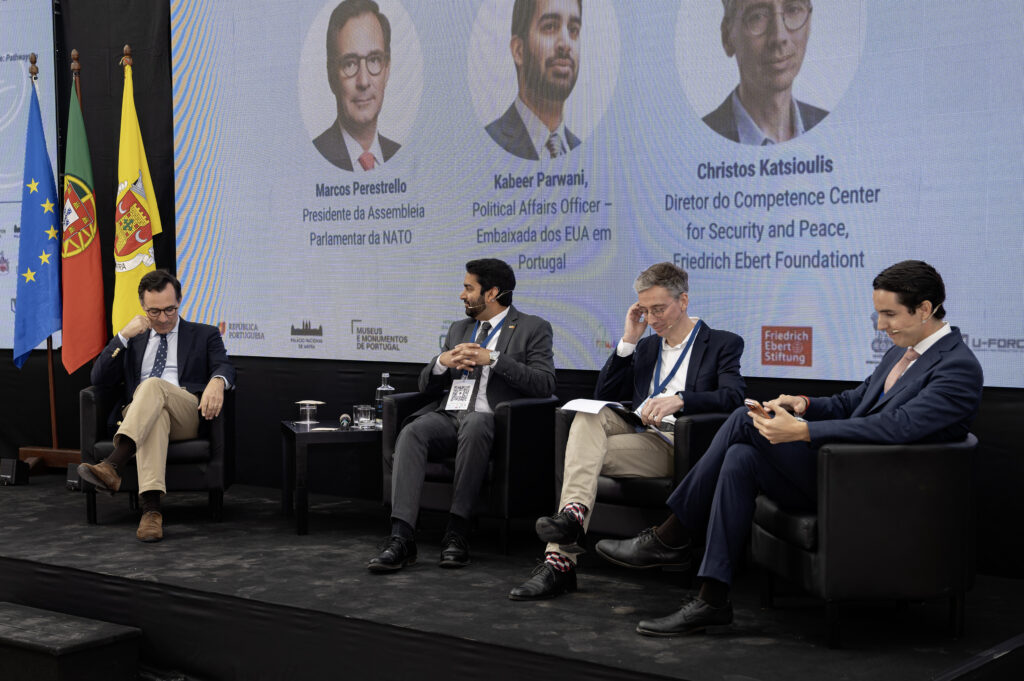
In the afternoon, Panel III, titled “The Future of Transatlantic Relations,” featured Marcos Perestrello, President of the NATO Parliamentary Assembly; Kabeer Parwani, Political Affairs Officer at the Embassy of the United States of America in Portugal; and Christos Katsioulis, Director of the Competence Center for Security and Peace at Friedrich Ebert Stiftung, promoting a debate on the future of transatlantic relations and the role of strategic alliances.
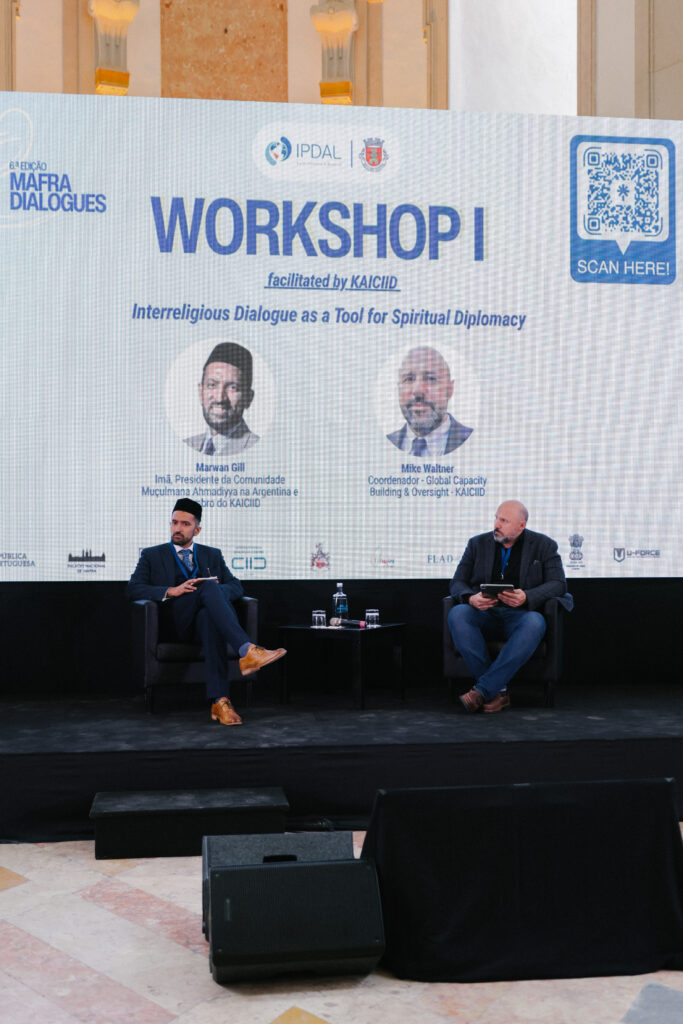
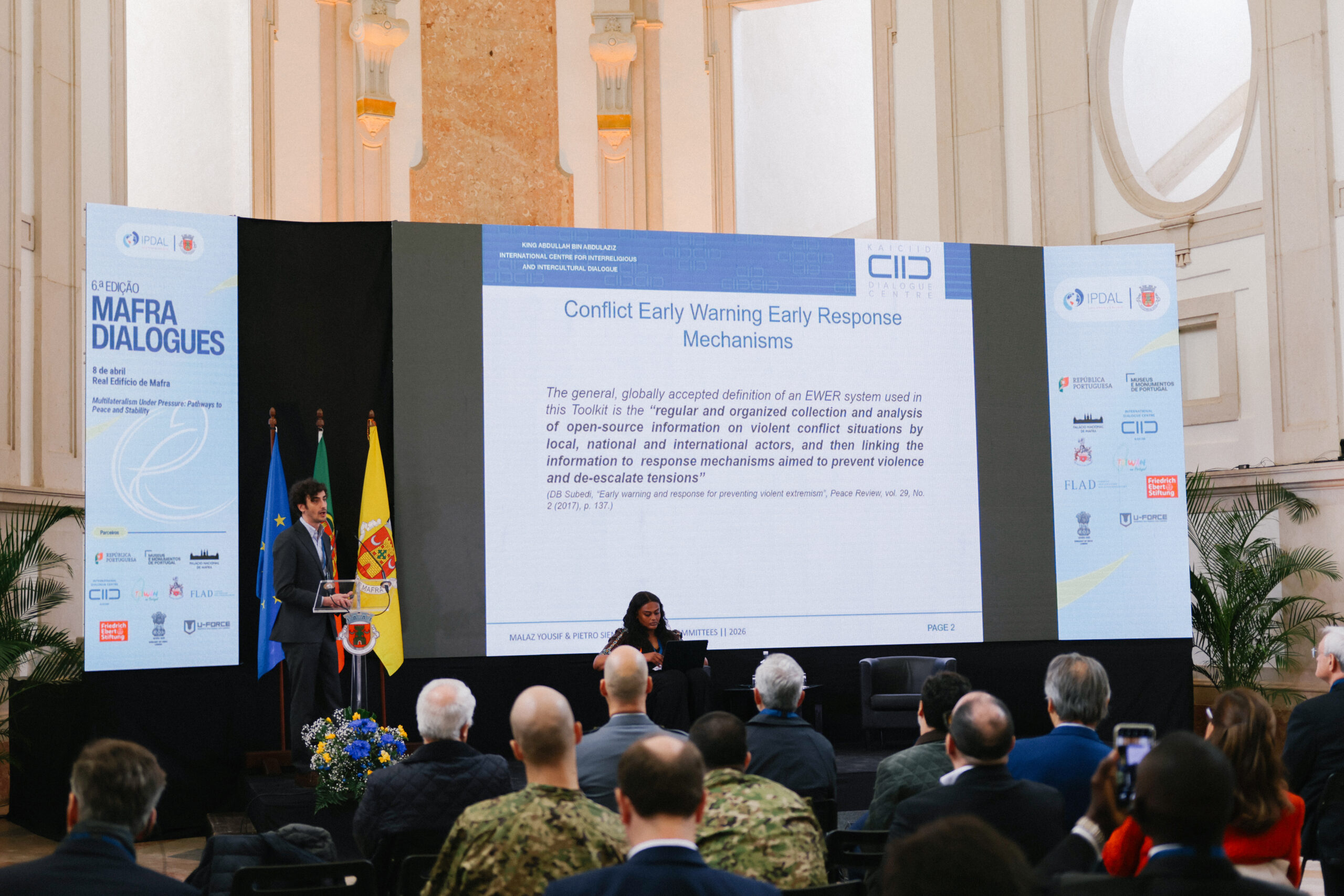
In parallel, two workshops organized by KAICIID took place: the first, dedicated to interreligious dialogue as a tool of spiritual diplomacy, featuring Marwan Gill, Imam and President of the Ahmadiyya Muslim Community in Argentina and KAICIID member, and Mike Waltner, Global Capacity Building & Oversight Coordinator at KAICIID; and the second, focused on preventing interreligious conflicts, with Malaz Yousif and Pietro Sienna, both Programme Officers for Africa at KAICIID, highlighting the relevance of inclusive and collaborative approaches to peacebuilding.
Mafra Dialogues thus reaffirmed itself as a platform of excellence for discussing key global challenges, promoting dialogue, cooperation, and the development of shared solutions for a more stable future.