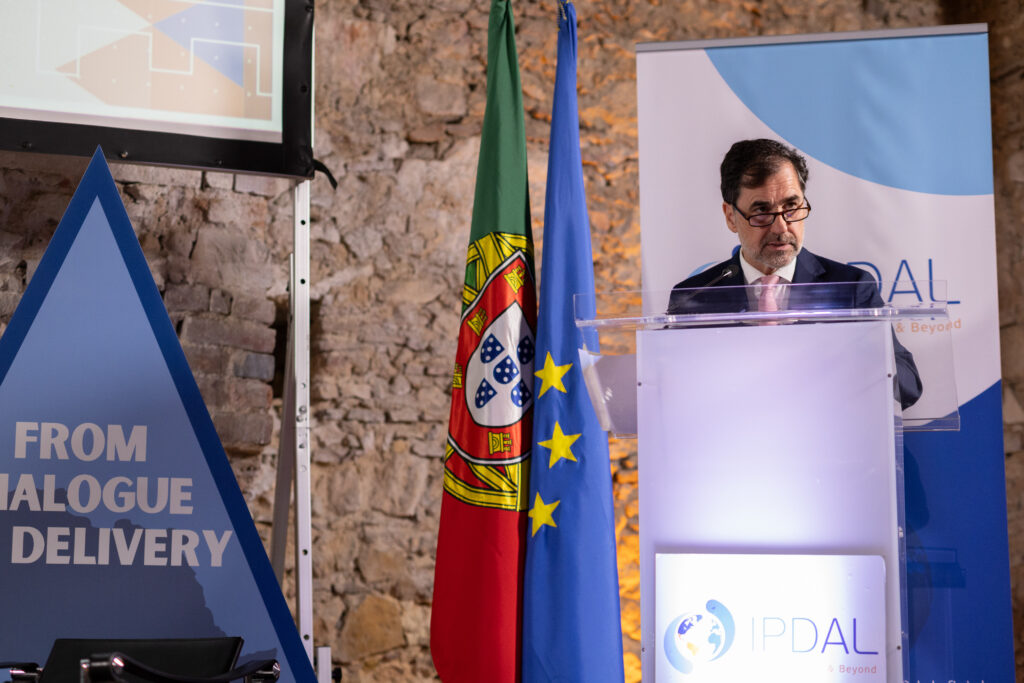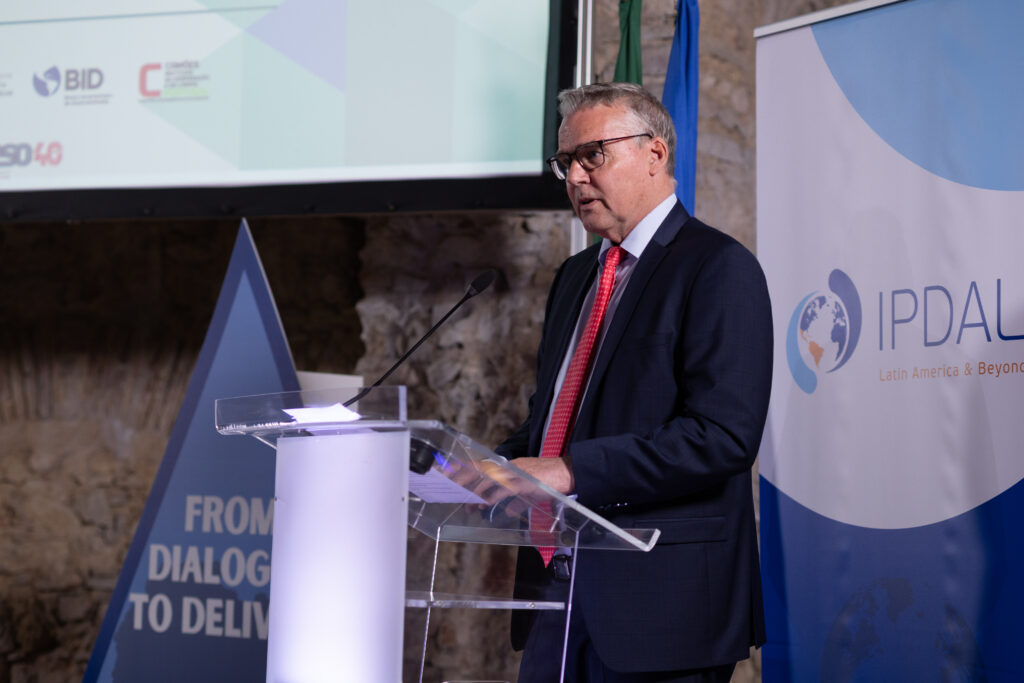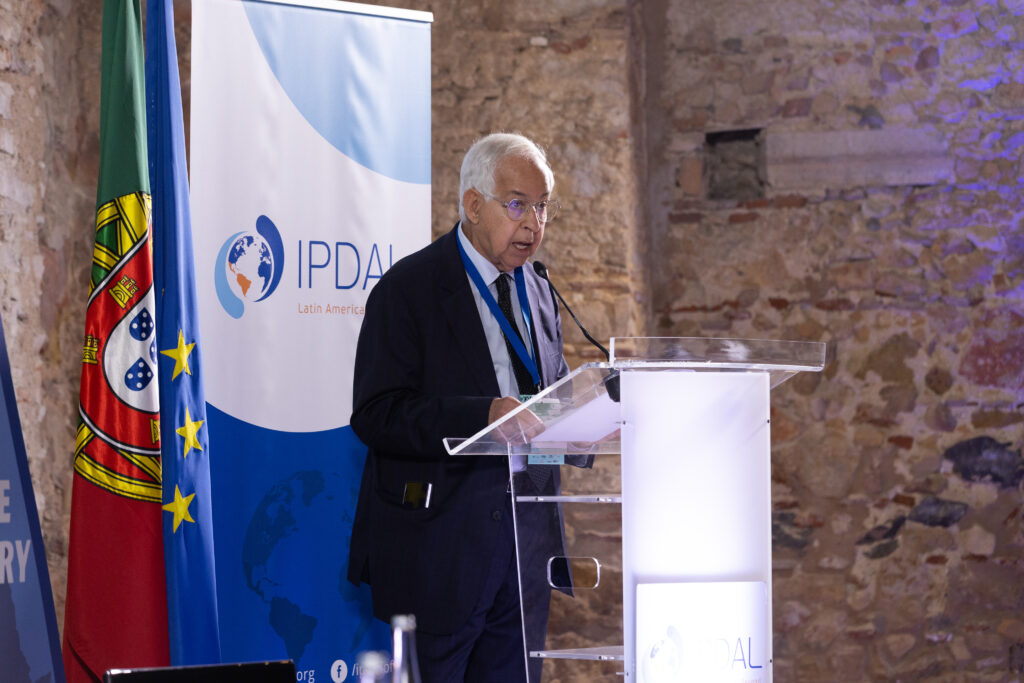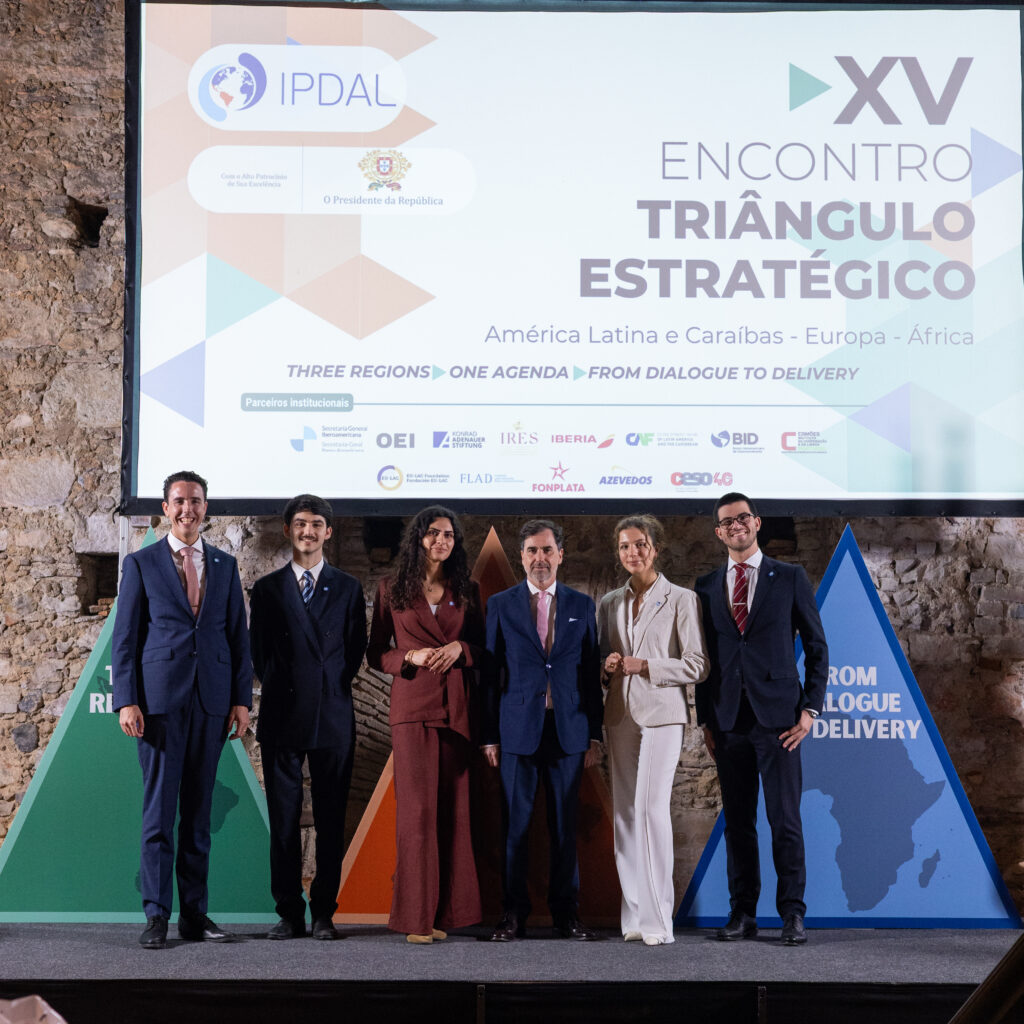


The XV edition of the Strategic Triangle Meeting: Latin America and the Caribbean – Europe – Africa, organised by the IPDAL, brought together experts, policymakers, institutional representatives and young participants to discuss the future of cooperation between the three regions.
Under the motto “Three Regions. One Agenda. From Dialogue to Delivery”, the meeting reinforced the need to transform political dialogue into concrete responses to the challenges of contemporary multilateralism, in an international context marked by geopolitical instability, fragmentation and new demands for cooperation.
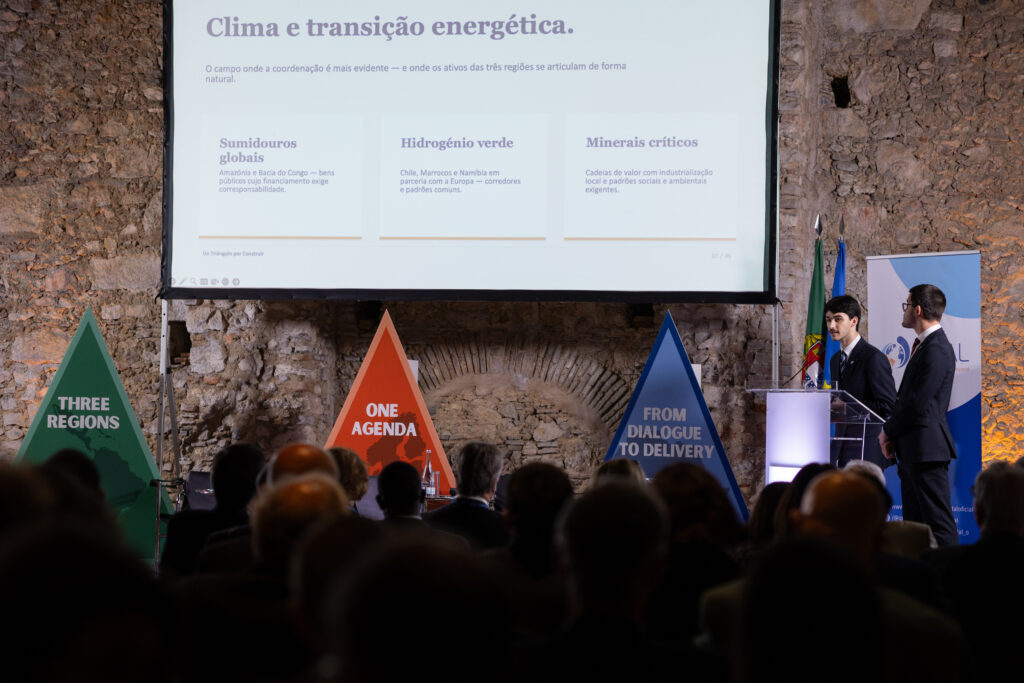
Throughout the day, Teatro Thalia hosted debates on global governance, the reform of multilateral institutions, triangular cooperation and the role of younger generations in building more inclusive and effective models of international governance.
Among the main highlights of this edition was the launch of two strategic reports developed in partnership with the Konrad-Adenauer-Stiftung and SEGIB, focused on the future of multilateralism and the prospects for triangular cooperation.
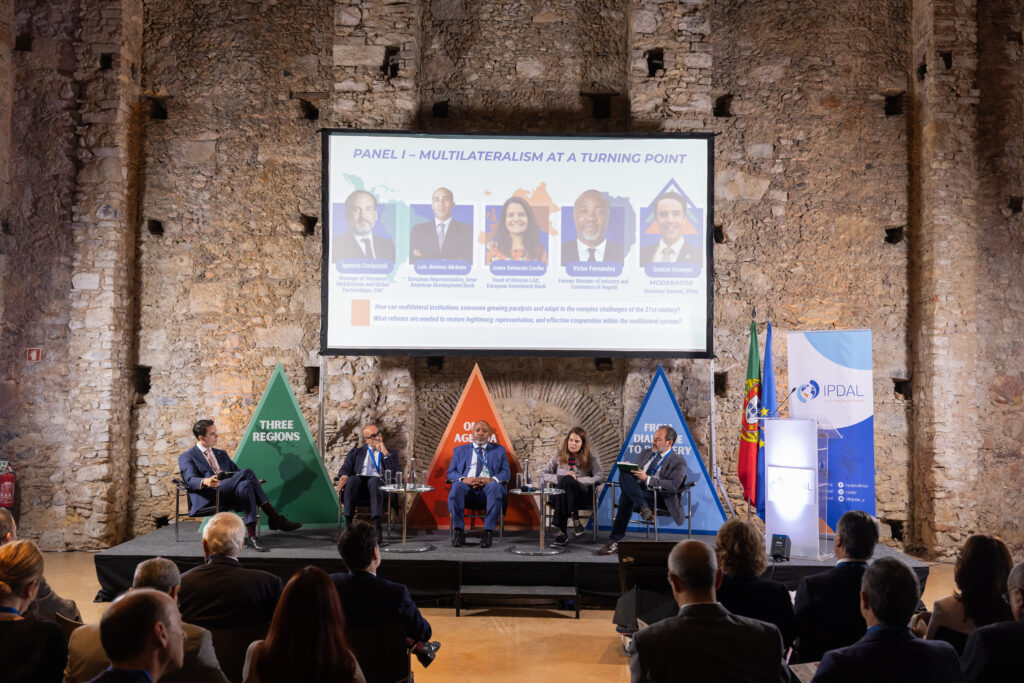
Panel I — “Multilateralism at a Turning Point” — focused on the challenges currently faced by the multilateral system and on the need to strengthen cooperation mechanisms capable of responding to ongoing geopolitical, economic and social changes. The session included the presentation of a strategic study on the future of multilateralism, promoting reflection on the role of international institutions in building more coordinated and effective responses.
The Keynote Address, dedicated to the theme “What Governance for a World in Transition?”, addressed the challenges of global governance in a rapidly changing international scenario, marked by the redefinition of power relations and the increase in international tensions. The intervention highlighted the importance of developing governance models that are more resilient, inclusive and adapted to current global dynamics.
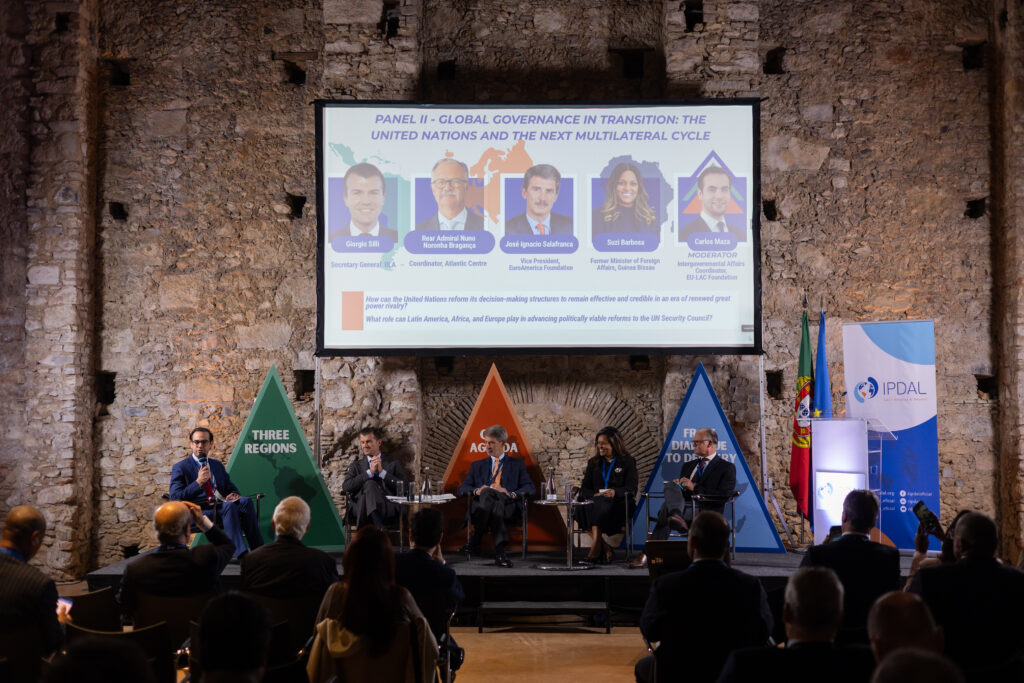
Panel II — “Global Governance in Transition: The United Nations and the Next Multilateral Cycle” — focused on the future of the United Nations and on the prospects for reforming the multilateral system. The debate sought to identify the main institutional and political challenges faced by international organisations, discussing ways to strengthen global cooperation and adapt multilateral mechanisms to the demands of the current international context.
During the afternoon, the Keynote Dialogue — “The Strategic Triangle as a Platform for Action: Lessons from 15 Years of Cooperation” — promoted reflection on the main achievements and lessons learned from the fifteen editions of the ETE. The session included the presentation of a strategic report prepared in partnership with SEGIB, highlighting the potential of triangular cooperation as a platform for political dialogue, interregional coordination and joint action.
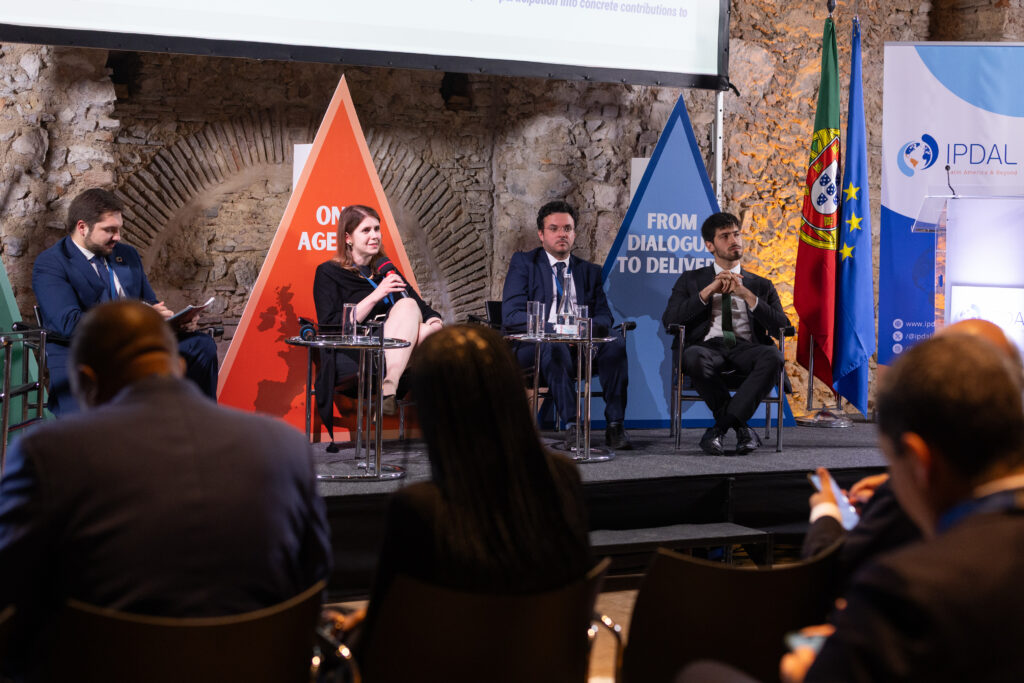
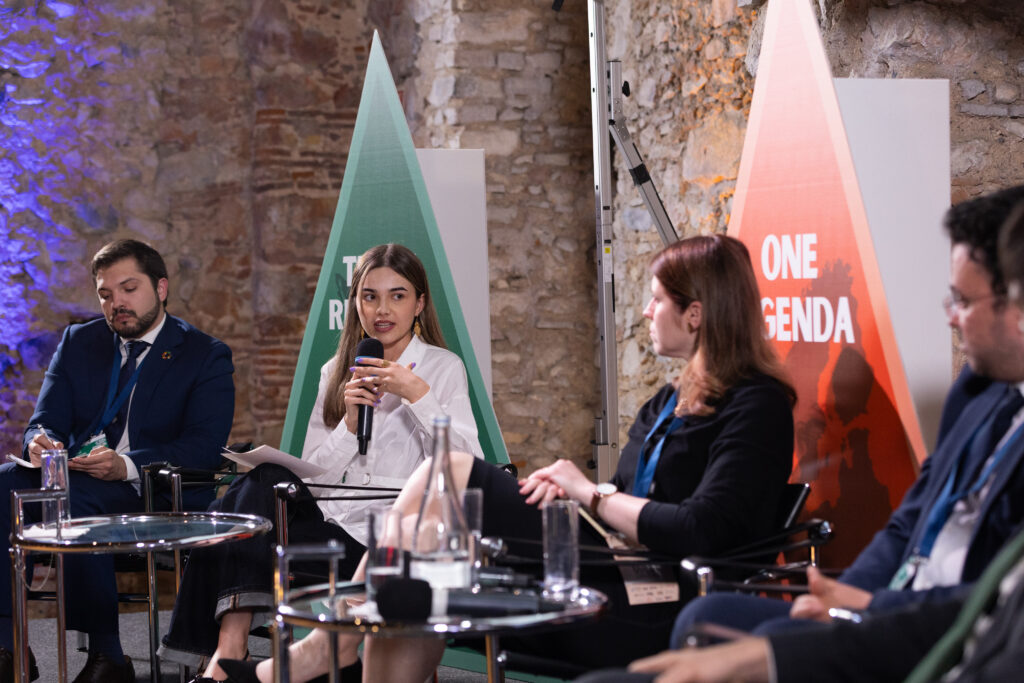
Panel III — “Next-Generation Multilateralism: Youth as Architects of Cooperative Futures” — placed young people at the centre of the discussion on the future of international cooperation. The session highlighted the role of younger generations in building multilateral models that are more inclusive, innovative and closer to current realities, promoting reflection on the importance of youth participation in decision-making processes and in shaping global agendas.
Technological innovation was also present in this edition, with the integration of Artificial Intelligence tools in simultaneous interpretation, participant interaction and the event website, contributing to a more dynamic, accessible and participatory experience.
With a diverse and multidisciplinary triangular participation involving institutional representatives, international organisations, strategic think tanks and young leaders, the XV edition of the ETE once again established itself as a space for cooperation, strategic reflection and bridge-building between Latin America and the Caribbean, Europe and Africa.